Benefits of Abhyanga Massage for Stress Relief & Immunity

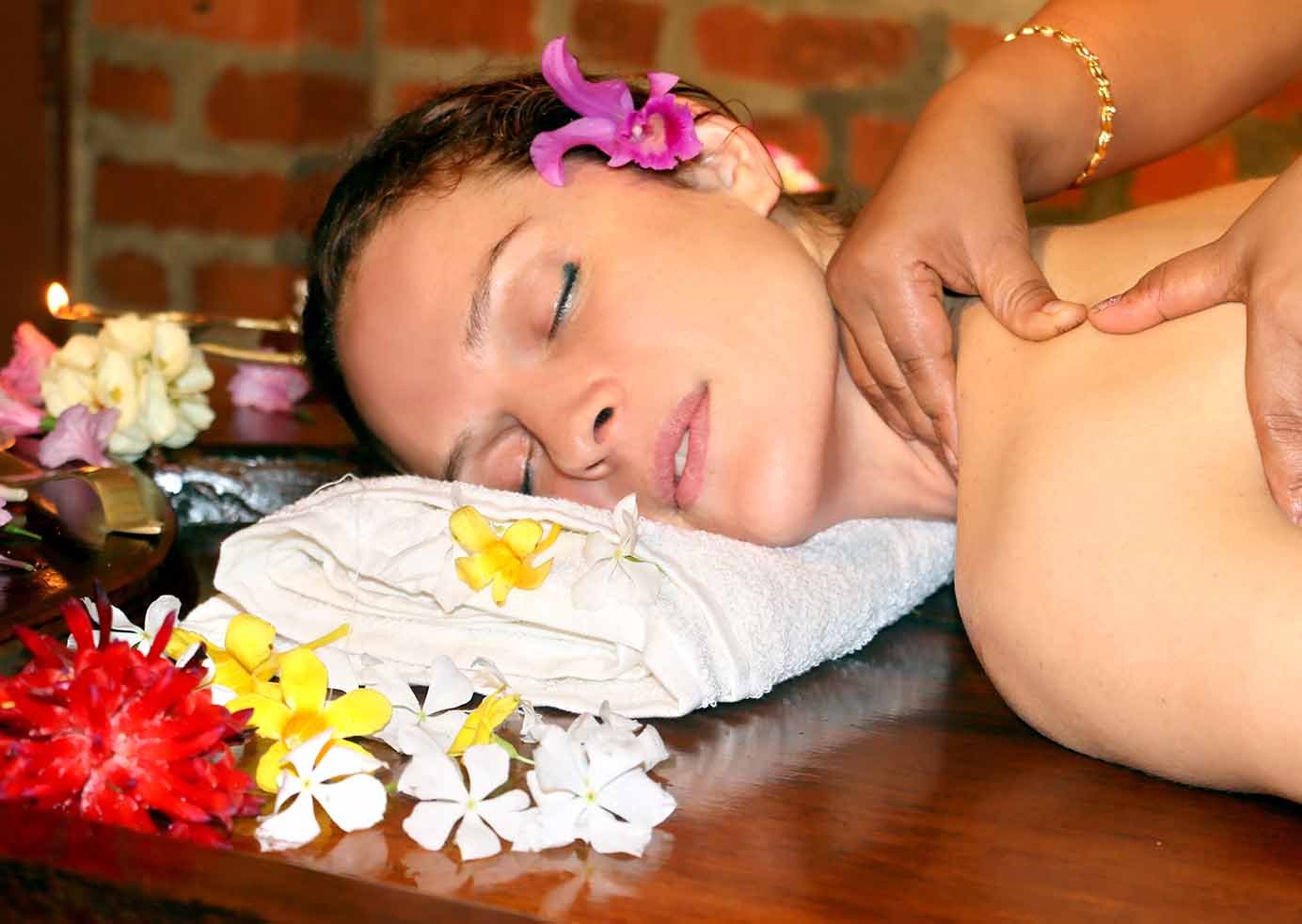
Long working hours, irregular sleep, limited physical activity and constant mental stimulation can leave the body feeling tense and the mind exhausted. While occasional stress is a natural part of life, prolonged stress may contribute to sleep problems, headaches, digestive discomfort and other health concerns.
Ayurveda addresses stress through personalised routines involving diet, rest, movement, meditation and therapeutic treatments. One of the most widely recognised Ayurvedic therapies used for relaxation and general wellness is Abhyanga, a traditional massage performed using warm oil.
Abhyanga is often promoted for stress relief, circulation, sleep, skin health and immunity. Some of these claims are based mainly on traditional Ayurvedic practice. Scientific evidence specific to Abhyanga remains limited, so it should be viewed as a complementary wellness therapy rather than a guaranteed treatment or cure.
What Is Abhyanga Massage?
Abhyanga is a traditional Ayurvedic oil massage in which warm oil is applied across the body using gentle, rhythmic movements.
Depending on the individual and the purpose of treatment, the oil may be plain or infused with herbs. An Ayurvedic practitioner may select an oil after considering factors such as the person’s constitution, skin condition, current symptoms, age and general health.
A professional Abhyanga session may include massage of the:
- Scalp and face
- Neck and shoulders
- Arms and hands
- Back and abdomen
- Legs and feet
The pressure is generally comfortable and rhythmic rather than forceful. Abhyanga is different from vigorous deep-tissue massage and is usually intended to create a calming and nurturing experience.
The World Health Organization’s benchmarks for Ayurveda emphasise appropriate practitioner qualifications, safe facilities, patient assessment, professional conduct, hygiene and quality assurance when Ayurvedic interventions are provided.
How Is Abhyanga Performed?
A typical professional session begins with a consultation. The practitioner may ask about the individual’s health history, medications, allergies, skin sensitivity, previous injuries and present concerns.
The selected oil is warmed to a safe and comfortable temperature. It is then applied using smooth strokes over the limbs and circular movements around joints. The amount of oil, massage pressure and treatment duration may vary.
After the massage, the oil may be allowed to remain on the skin briefly before a warm shower or bath. Some clinical Ayurvedic programmes may combine Abhyanga with herbal steam therapy, although this is not appropriate for everyone.
A professional session may last between approximately 30 and 60 minutes, depending on the treatment plan. There is no single standard duration or technique suitable for every individual.
How Abhyanga May Help with Stress Relief
1. Encourages Physical Relaxation
Gentle massage can help create a sense of physical calm. The warm oil, rhythmic touch and quiet treatment environment may help reduce the feeling of muscular tightness associated with stress.
Massage is one of several complementary practices that may help produce a relaxation response. This response is generally associated with slower breathing, reduced physical tension and a subjective feeling of calm.
2. Creates Time Away from Daily Stress
Abhyanga provides a structured period during which the individual is encouraged to pause work, reduce sensory stimulation and focus on the body.
The benefit may arise not only from the massage itself but also from the complete experience, including:
- A peaceful environment
- Reduced phone and screen use
- Slow breathing
- Warmth and comfortable touch
- Temporary relief from daily responsibilities
- A regular self-care routine
These factors can make the treatment feel mentally restorative.
3. May Reduce the Subjective Feeling of Stress
A small pilot study investigating a single Abhyanga session reported improvements in participants’ subjective experience of stress. However, it was an early pilot study, so larger and better-controlled trials are required before firm conclusions can be made.
Research on massage therapy more broadly suggests possible benefits for relaxation, mood and certain stress-related symptoms. However, much of the evidence is preliminary, inconsistent or based on small studies.
4. May Support Better Sleep Routines
People who feel physically relaxed after a massage may find it easier to settle into their evening routine. A gentle Abhyanga session may be combined with habits such as dim lighting, reduced screen use, slow breathing and a consistent bedtime.
Abhyanga should not, however, be presented as a proven treatment for insomnia. Persistent sleep difficulties can be associated with medical, psychological or lifestyle factors and should be discussed with a qualified healthcare professional.
5. May Improve Body Awareness
Stress can make people ignore physical signs such as clenched muscles, shallow breathing, poor posture and fatigue. Abhyanga encourages attention to physical sensations and may help individuals recognise where they are holding tension.
This greater body awareness may encourage healthier habits such as stretching, taking breaks, improving posture and resting when needed.
Does Abhyanga Boost Immunity?
The immune system is a complex network involving organs, cells, tissues and signalling processes. It cannot be reliably “boosted” by one massage session, oil or wellness treatment.
There is currently insufficient high-quality evidence to conclude that Abhyanga directly strengthens immunity, prevents infections or treats immune-related diseases.
Some preliminary massage studies have examined changes in immune and hormonal markers, but the results do not establish that massage provides meaningful protection against illness. Studies are often small, use different techniques and measure short-term biological changes rather than actual resistance to infection.
Abhyanga may support general well-being indirectly when it forms part of a healthier routine involving:
- Adequate and consistent sleep
- Nutritious food
- Regular physical activity
- Stress management
- Reduced alcohol and tobacco use
- Appropriate medical care
- Time for rest and recovery
These lifestyle factors are more relevant to maintaining health than relying on a massage treatment as an immunity booster.
Abhyanga should never be marketed as a method for preventing viral or bacterial infections, replacing vaccination or treating autoimmune conditions.
Other Potential Benefits of Abhyanga
Muscle Comfort
Gentle massage may temporarily reduce the feeling of muscular tightness, particularly in areas such as the shoulders, neck, back and legs.
Massage therapy may provide short-term benefits for some pain conditions, but evidence varies according to the condition and massage technique. Persistent, severe or unexplained pain should be medically evaluated.
Skin Moisturisation
The oil used during Abhyanga can help soften dry skin and reduce temporary roughness. The effect depends on the oil, the individual’s skin type and how frequently it is used.
People with sensitive skin, eczema, active rashes or known allergies should speak with a dermatologist or healthcare professional before using herbal or fragranced oils.
A Consistent Self-Care Routine
Self-Abhyanga may encourage people to slow down and reserve time for their physical and emotional well-being. The routine itself can be valuable, particularly when it is combined with good sleep, movement, hydration and balanced meals.
Temporary Relief from Fatigue
The calming environment and reduction in muscle tension may leave some people feeling refreshed. Others may feel sleepy after treatment. Individual responses vary.
Persistent fatigue can be related to anaemia, thyroid disorders, sleep problems, infections, nutritional deficiencies or other medical conditions and should not be managed solely through massage.
Oils Commonly Used for Abhyanga
Traditional practice may use different oils depending on the individual and the intended purpose. Common options include:
- Sesame oil
- Coconut oil
- Herbal medicated oils
- Other plant-based oils selected by the practitioner
The most suitable oil cannot be determined solely from a general online description. Herbal ingredients may irritate sensitive skin or cause an allergic reaction.
Before applying a new oil over the entire body:
- Check the complete ingredient list.
- Apply a small amount to a limited area.
- Wait and watch for irritation.
- Stop using it if burning, itching, swelling or a rash develops.
- Seek medical attention for severe allergic symptoms.
Do not apply very hot oil to the skin.
Professional Abhyanga and Self-Abhyanga
Professional Abhyanga
A professional treatment may be more appropriate when the massage is part of an Ayurvedic programme or when medicated oils are being considered.
Choose a centre that provides:
- Qualified practitioners
- A proper health assessment
- Clean treatment rooms and linens
- Clear information about the oils used
- Appropriate privacy
- Trained therapists
- Safe oil temperatures
- Professional documentation
- Access to medical support when needed
WHO Ayurveda benchmarks highlight minimum requirements related to practitioner competency, facilities, safety, health products and ethical practice.
Self-Abhyanga
A simple self-massage may be performed at home as a relaxation practice when there are no medical contraindications.
A basic routine can include:
- Choose a suitable plain or professionally recommended oil.
- Perform a patch test before wider application.
- Warm the oil slightly; it should never be hot.
- Apply it gently using broad strokes along the limbs.
- Use comfortable circular movements around the joints.
- Avoid excessive pressure.
- Leave the oil on briefly if comfortable.
- Wash it off carefully using warm water.
- Clean the floor immediately to prevent slipping.
There is no medically established frequency that is suitable for everyone. Begin occasionally and adjust according to skin tolerance, comfort and professional guidance.
Who Should Avoid Abhyanga?
Abhyanga may need to be postponed or modified in people with:
- Fever or acute illness
- Active skin infections
- Open wounds or burns
- Severe skin irritation
- Recent fractures or surgery
- Suspected blood clots
- Unexplained swelling
- Severe pain
- Allergy to the selected oil
- Significant loss of skin sensation
- Certain heart or circulation conditions
Pregnant individuals, older adults, people receiving cancer treatment and people taking blood-thinning medication should obtain medical guidance before massage.
Massage therapy is generally considered low risk when performed appropriately. However, rare serious adverse effects such as nerve injury, fracture or complications involving blood clots have been reported, particularly with vigorous massage or in people at increased risk of injury.
When Should You Seek Medical Advice?
Stop the treatment and consult a healthcare professional if you develop:
- Significant pain
- Dizziness or fainting
- Difficulty breathing
- Persistent swelling
- Skin blistering
- A widespread rash
- Numbness or weakness
- Symptoms of infection
- Any severe or unexpected reaction
Do not use Abhyanga to delay diagnosis or treatment for a medical condition. NCCIH advises people not to postpone conventional medical care when considering massage therapy for a health concern.
Frequently Asked Questions
Is Abhyanga the same as a spa massage?
No. Although both may involve oil and massage, traditional Abhyanga is part of Ayurvedic practice and may involve individually selected oils, specific movements and a broader treatment plan.
Can Abhyanga cure anxiety?
Abhyanga may help some individuals feel relaxed, but it is not a proven cure for anxiety disorders. Persistent anxiety should be assessed by a qualified mental-health or medical professional.
Can Abhyanga prevent infections?
There is not enough reliable evidence to claim that Abhyanga prevents infections. It should not replace vaccination, hygiene practices or medical treatment.
Can Abhyanga be performed every day?
Traditional routines may recommend frequent self-oiling for some people, but daily treatment is not suitable for everyone. Skin type, health conditions, oil ingredients and personal tolerance must be considered.
Can I use any oil?
No. Oils can cause irritation or allergic reactions, and some medicated products may not be suitable for every person. Use a properly labelled product and obtain professional advice when necessary.
Does Abhyanga remove toxins?
There is no strong scientific evidence that massage removes unspecified toxins from the body. The liver, kidneys, lungs and digestive system perform the body’s normal waste-processing functions.
Final Thoughts
Abhyanga is a traditional Ayurvedic oil massage that may provide a comforting and calming wellness experience. Its warm oils, rhythmic movements and quiet environment may promote relaxation, support a healthier self-care routine and temporarily ease muscular tension.
However, claims that Abhyanga directly boosts immunity, prevents disease or removes toxins should be treated cautiously. Research specific to Abhyanga is limited, and massage should not replace evidence-based medical care.
The safest approach is to receive treatment from trained professionals who assess your health, explain the oils and procedures being used, respect your comfort and follow appropriate hygiene and safety practices.
When combined with regular sleep, nutritious food, exercise, stress management and appropriate healthcare, Abhyanga can be a meaningful part of a balanced wellness routine.
Medical Disclaimer
This article is intended for general educational purposes only and does not provide medical diagnosis or personalised treatment advice. Abhyanga and other Ayurvedic therapies should be undertaken only after considering individual health conditions, allergies and medications. Do not delay medical treatment or discontinue prescribed medicines based on information in this article.