
About Us
Inviting you to a sacred space where ancient wisdom meets harmonious inner healing a sanctuary in the heart of Kerala where your body, mind, and soul are renewed through the timeless art of authentic Kerala Panchakarma detox therapies.
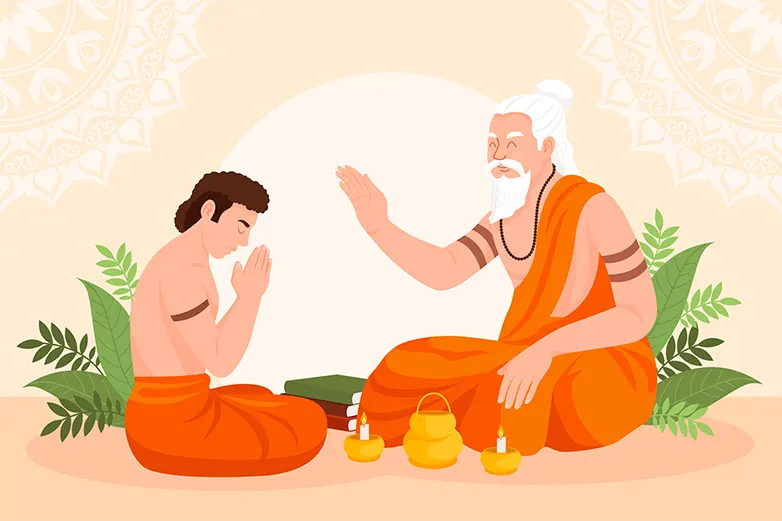
Panchakarma is not a modern wellness invention. It is a 5,000-year-old medical protocol developed to undo the damage of living. The history begins with a shift in perspective. While most ancient traditions looked at health as a gift from the gods, the early Ayurvedic physicians viewed the body as a biological machine. They understood that even the best machine creates friction, heat, and waste. In Sanskrit, they called this metabolic "soot" Ama. They realized that if you don't periodically service the system, this soot hardens, leading to chronic decay. Panchakarma was their solution for this to rejuvenate the mind and body.
The foundation was laid down in the Charaka Samhita and the Sushruta Samhita nearly two millennia ago. Those were the ancient rigorous medical texts. The physicians of that era used a famous analogy: The Stained Cloth. They argued that you cannot dye a dirty cloth a brilliant new color. The dirt will always muddy the result. Likewise, you cannot simply give a person medicine and expect a cure if their system is already clogged with toxins. You have to wash the cloth first. Panchakarma was that purification.
As empires rose and fell across the Indian subcontinent, much of this knowledge faced extinction. During the British Raj, indigenous medicine was marginalized. However, in the isolated, tropical landscape of Kerala, the tradition didn't just survive, it thrived. The local healers refined the preparatory phases of the treatment. They mastered the science of "Snehana" (internal and external oleation) and "Swedana" (heat therapy). They proved that by saturating the body with specific oils, you could literally remove toxins from the deep tissues, making them easier to flush out.
Today, we are seeing a global return to these roots. The modern world has reached a breaking point with lifestyle diseases that pills often manage but rarely solve. Panchakarma has moved from the temples of India to the global stage because it addresses the solution modern medicine often misses. Panchakarma treatment follows an ancient script, we are utilizing a time-tested physiological process to clear the mental and physical debris of the 21st century.
The word Panchakarma means “five actions,” yet its true meaning goes far beyond the number. It is a time-tested cleansing system in Ayurveda that helps your body release all the toxins, or ama, as Ayurveda calls them. These toxins can be from the food you eat, stress, sleepless nights, emotions, toxic relations, and air pollution that gets collected deep inside. Over time, they cloud your energy, dull your digestion, and disturb your peace of mind. We are giving Panchakarma treatment for all these problems.
Ayurveda sees the body through three doshas; Vata, Pitta, and Kapha. Each person carries all three, but in unique proportions. When one goes out of balance, signs such as fatigue, restlessness, poor sleep, dull skin, or even unexplained sadness show up quietly. Panchakarma helps bring them back into rhythm. It clears the channels, rekindles Agni, your inner digestive fire and enables you to feel light again, inside and out.
Vata:
The energy of movement, it rules breath, circulation, and communication. When vatadosh is in
balance, a person is creative, lively, and full of ideas. When not in balance, they will be
anxious, have dry skin, and experience constipation and sleeplessness.
Pitta:
The energy of transformation, it governs digestion, clarity, and intelligence. A person with
the right balance of Pitta dosha stays focused, confident, and has good digestion. Pitta
imbalance leads to irritability, heat, acidity, and anger.
Kapha:
The energy of stability gives strength, calmness, and immunity. Kapha in balance means the
person is grounded, loving, and patient. Heaviness, sluggishness, attachment, and congestion
result from a Kapha imbalance.
Panchakarma begins with Snehapanam, the ghee therapy. Snehapanam is an internal oleation therapy in Panchakarma. Each morning, on an empty stomach, medicated ghee is consumed in carefully measured doses over a few days. Doctors at Panchakarma hospitals closely monitor the dosage, which is adjusted as the body responds.
As the ghee permeates every channel, it softens rigidity, dislodges hidden impurities from body and mind, and nourishes weakness, preparing the body to release deeply rooted toxins. Then comes Swedana, the herbal steam. The therapy opens your pores, allowing the loosened toxins to rise to the surface, ready to be released.
This is the heart of Panchakarma — the deep cleansing. Here, the five therapies are selected based on your body’s needs.
Each therapy is guided carefully by our Ayurveda doctors, and healing follows its own rhythm.
After the cleansing, the body is open, fresh, and ready to rebuild. This stage focuses on nourishment, stillness, and self-care. Involves light meals like herbal rice gruel and ghee help rekindle digestion. Yoga, meditation, and silence become gentle companions.
After the body has undergone deep cleansing, it becomes sensitive and needs proper nourishment and care to restore balance. Pashchat Karma ensures that the body’s digestive fire (Agni), tissues (Dhatus), and strength (Bala) return to normal.
It’s not just cleansing, it’s reconnecting with yourself.
Curious about Panchakarma? Here’s everything you need to know for a peaceful start.
